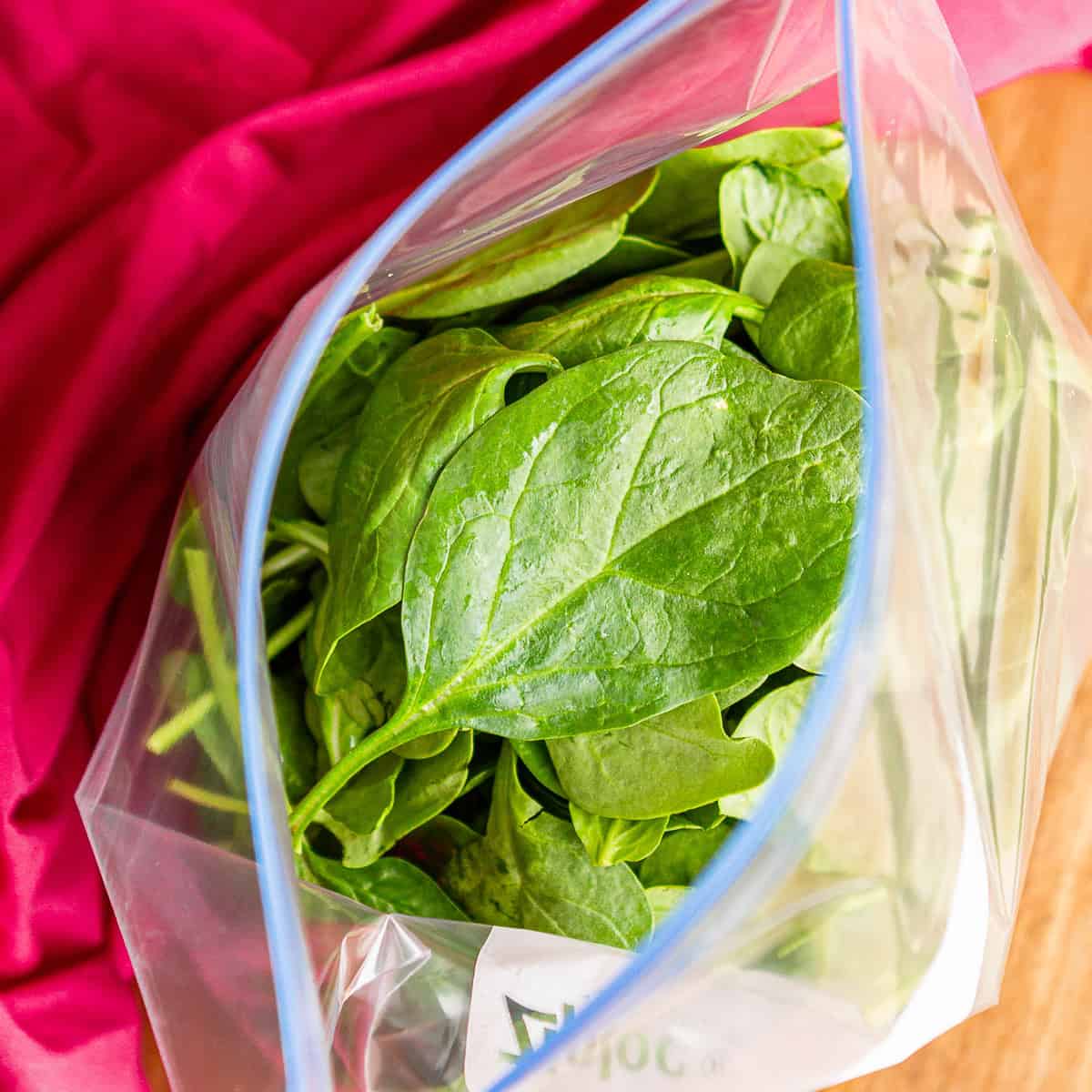
How to Freeze Spinach to Prevent Soggy Leaves & Food Waste
Spinach is a nutritional powerhouse, celebrated for its vibrant color and versatility in everything from smoothies to main courses. However, anyone who regularly buys this leafy green knows its fresh lifespan is fleeting. A seemingly endless bag of fresh spinach can quickly transform into a sad, wilting mess in your fridge, leading to disheartening food waste. But what if you could lock in that freshness, those vital nutrients, and enjoy spinach all year long, without the dreaded soggy texture often associated with frozen greens?
The good news is you absolutely can! Learning
how to freeze spinach properly is a game-changer for reducing waste, saving money, and ensuring a continuous supply of this superfood. It's a skill that will keep your plate packed with goodness, even when fresh spinach is out of season or simply too expensive. The secret lies in a simple, yet effective technique: blanching.
Why Freezing Spinach is a Smart Kitchen Strategy
Beyond just preventing food waste, freezing spinach offers a wealth of benefits that make it an essential practice for any home cook:
- Nutrient Retention: Freezing, especially after blanching, helps to preserve the essential vitamins and minerals that make spinach so healthy. You're not just saving food; you're safeguarding nutrition.
- Year-Round Availability: Enjoy fresh-tasting spinach in your dishes no matter the season. No more waiting for spring or summer to stock up on your favorite greens. For a deeper dive into maximizing spinach's longevity and nutritional value, explore our guide on Freeze Spinach: Best Way to Lock In Nutrients All Year Long.
- Cost-Effectiveness: Buy spinach in bulk when it's on sale or in season, then freeze it to enjoy significant savings over time.
- Convenience & Meal Prep: Having pre-prepped frozen spinach means quick additions to countless recipes. It's perfect for a speedy morning smoothie, a comforting soup, or a quick dinner stir-fry.
- Enhanced Texture: When done correctly, frozen spinach retains a far superior texture compared to its sad, wilted counterpart left too long in the fridge.
The Golden Rule: Why Blanching is Key to Preventing Soggy Spinach
You might be tempted to simply toss fresh spinach into the freezer, especially when short on time. While technically possible, this shortcut often leads to a disappointing result: watery, flavorless, and mushy spinach upon thawing. This is where blanching steps in as your culinary secret weapon.
What is Blanching?
Blanching is a technique that involves briefly cooking a vegetable in boiling water, then rapidly chilling it in an ice bath. This partial cooking serves several critical purposes when it comes to preserving spinach:
- Deactivates Enzymes: Fresh vegetables contain enzymes that, even in the freezing cold, can continue to break down cells, leading to loss of color, flavor, and texture over time. Blanching deactivates these enzymes, effectively pausing the aging process. This is the primary reason blanched spinach maintains its vibrant green color and fresh taste for months.
- Prevents Soggy Leaves: The blanching process partially wilts the spinach, allowing you to squeeze out excess water before freezing. This significantly reduces the amount of ice crystals that form, which are the main culprits behind soggy, watery spinach when thawed.
- Retains Color and Flavor: By stopping enzyme activity, blanching locks in spinach's beautiful green hue and natural taste, ensuring your frozen greens are just as appealing as their fresh counterparts.
- Maximizes Storage Space: Blanched spinach dramatically reduces in volume. What seemed like a mountain of fresh leaves becomes a compact, easy-to-store package, allowing you to fit more in your freezer.
Blanched spinach can keep beautifully in the freezer for up to 10-12 months, whereas unblanched spinach might only last a couple of months and will likely suffer in quality. For a deep dive into the specifics of this essential technique, be sure to read our dedicated article on
Blanching Spinach: Your Secret to Preserving Flavor & Freshness.
Step-by-Step: How to Freeze Spinach the Right Way
Mastering the freezing process for spinach is straightforward once you understand these key steps.
1. Prepare Your Spinach: Wash and Trim Thoroughly
Before blanching, thorough cleaning is paramount. Spinach, especially garden-fresh or farmer's market varieties, can harbor dirt and debris.
- Rinse Repeatedly: Place your spinach in a large colander. Rinse under cool, running water, turning the leaves to ensure all surfaces are exposed. For larger quantities or particularly dirty spinach, fill a clean sink or large bowl with cool water, add the spinach, and swish it around. Lift the spinach out, drain the dirty water, and repeat this process until the water remains clear.
- Trim Stems: If you have long-stemmed spinach or spinach with roots attached, trim these off before proceeding. Baby spinach usually requires less trimming.
2. The Blanching Process: Boil, Chill, and Drain
This is the core of preventing soggy spinach. Preparation is key here.
- Set Up Your Ice Bath: Before you even boil water, prepare a very large bowl filled with ice and cold water. This ice bath is crucial for rapidly stopping the cooking process.
- Boil Water: Bring a large pot of water to a rolling boil. For every pound of spinach, you'll need at least a gallon of water. You can add a pinch of salt to the boiling water, though it's not strictly necessary.
- Blanch the Spinach: Submerge the spinach in the boiling water. If you have a large amount, work in batches to avoid overcrowding the pot, which can lower the water temperature too much. Push the spinach down with tongs or a spoon. Blanch for just 2 minutes from the moment you submerge it. The spinach will wilt significantly.
- Ice Bath Immersion: Immediately transfer the blanched spinach from the boiling water to the prepared ice bath using a slotted spoon or tongs. Let it sit in the ice water for 2-3 minutes, ensuring it cools completely. This "shocking" process stops the cooking and helps set the vibrant green color.
- Drain Thoroughly: Once cooled, remove the spinach from the ice bath. This is arguably the most crucial step for preventing sogginess. Place the spinach in a colander and let it drain for a few minutes.
- Squeeze Out Excess Water: Gather handfuls of the blanched spinach and firmly squeeze out as much water as possible. You'll be surprised how much liquid comes out! You can use a clean tea towel, a nut milk bag, or even just your hands for this. The drier you get the spinach now, the less ice will form, and the better the texture will be upon thawing.
3. Pack and Freeze: Optimize for Convenience
Once thoroughly dried, your spinach is ready for freezing. Consider how you'll typically use it to choose the best storage method.
- Portioning is Key: Divide the spinach into usable portions (e.g., 1/2 cup for smoothies, 1 cup for a side dish).
- Flat in Freezer Bags: For larger quantities, place flattened portions of spinach into freezer-safe bags. Press out all the air before sealing. Flattening them allows for quicker freezing and easier stacking in your freezer. You can even score the flattened spinach into smaller squares before fully freezing, making it easy to break off just what you need.
- Ice Cube Trays for Smoothies/Sauces: For smaller portions perfect for smoothies, omelets, or pasta sauces, pack the squeezed spinach into ice cube trays. Once frozen solid (after a few hours), pop out the spinach cubes and transfer them to a larger freezer-safe bag for long-term storage.
- Freezer-Safe Containers: If you prefer solid containers, tightly pack the spinach into airtight, freezer-safe containers, leaving minimal air space.
Don't forget to label your bags or containers with the date to keep track of freshness. Blanched spinach can be stored in the freezer for up to a year.
Alternative Method: Freezing Without Blanching (and the Trade-offs)
While blanching is highly recommended for optimal results, if you're truly pressed for time, you can freeze spinach without it. However, be aware of the compromises:
- Reduced Shelf Life: Unblanched spinach will only keep for about 1-2 months in the freezer before quality significantly degrades.
- Compromised Texture and Flavor: Without blanching, enzyme activity continues, leading to a duller color, weaker flavor, and a much softer, often mushier texture upon thawing. It will also release more water.
- Limited Use: This method is best reserved for spinach intended for smoothies where texture isn't paramount, or dishes where it will be heavily blended or cooked down, such as a long-simmering soup or sauce.
To freeze unblanched, simply wash and dry the spinach very thoroughly. Then pack it loosely into freezer bags, pressing out as much air as possible, and freeze.
Thawing and Using Your Frozen Spinach
Using frozen spinach is incredibly convenient. The best way to thaw and use it depends on your recipe:
- For Smoothies: Add frozen spinach cubes or pieces directly to your blender. No thawing needed!
- For Cooked Dishes (Soups, Sauces, Stir-fries): You can often add frozen spinach directly to hot dishes. It will thaw quickly as it cooks. If you need to drain excess liquid, gently press it against the side of the pan with a spoon.
- For Omelets, Quiches, or Dips: For recipes where excess water would be detrimental, it's best to thaw the spinach first. Place it in a colander to drain, then gently squeeze out any remaining liquid before incorporating it into your dish. You can thaw it in the fridge overnight or quickly in the microwave.
By following these simple steps, you'll transform your relationship with this versatile green. No more sad, wilted leaves or wasted produce. Instead, you'll have a freezer stocked with vibrant, nutrient-rich spinach, ready to boost any meal, any time of year. Happy freezing!