Blanching Spinach: Your Secret to Preserving Flavor & Freshness
Spinach is a nutritional powerhouse, brimming with essential vitamins and minerals, and its vibrant, earthy flavor makes it a beloved ingredient in countless dishes. From energizing smoothies and hearty soups to savory omelets and vibrant pasta sauces, spinach adds a delicious and healthy boost. However, anyone who regularly buys fresh spinach knows its prime season in spring and summer can be fleeting, and its shelf life in the fridge is notoriously short. It wilts faster than you can say "superfood smoothie," often leading to food waste and missed opportunities to enjoy its goodness.
This is where the art of preserving comes in, and understanding
how to freeze spinach becomes a game-changer. Freezing allows you to lock in that peak freshness, ensuring you have a steady supply of nutrient-rich greens year-round, regardless of the season or what the grocery store has in stock. But not all freezing methods are created equal, and for optimal results – retaining flavor, texture, and color – blanching is the indispensable secret.
Why Mastering How to Freeze Spinach is a Game-Changer for Your Kitchen
Imagine having perfectly prepped spinach ready at your fingertips, whether it's the dead of winter or you simply forgot to grab greens at the store. Learning
how to freeze spinach effectively isn't just about preventing waste; it's about smart meal planning, nutrient retention, and culinary convenience.
*
Year-Round Access: Fresh spinach might be seasonal, but your desire for healthy greens isn't. Freezing allows you to enjoy spinach's benefits every day, no matter the climate outside.
*
Nutrient Preservation: Freezing, especially after blanching, helps to halt enzymatic processes that degrade nutrients over time. This means your frozen spinach remains a robust source of vitamins A, C, K, folate, and iron. For more on this, check out our guide on
Freeze Spinach: Best Way to Lock In Nutrients All Year Long.
*
Waste Reduction: We've all been there – a neglected bag of spinach turning slimy in the fridge. Freezing bulk purchases or garden harvests means less food goes into the bin and more goes into delicious meals.
*
Unbeatable Convenience: Frozen spinach is a quick-and-easy addition to almost any dish. No more washing and chopping large quantities when you're in a hurry; simply grab your pre-portioned greens and go.
*
Cost-Effectiveness: Buy spinach when it's abundant and inexpensive, then freeze it to enjoy savings throughout the year.
The key to achieving these benefits without ending up with soggy, tasteless greens upon thawing lies in a simple yet powerful technique: blanching.
The Indispensable Role of Blanching Before Freezing Spinach
When considering
how to freeze spinach, blanching is the most crucial step for preserving its quality. You might be tempted to skip it in the interest of time, but understanding *why* blanching is so vital will convince you it's well worth the effort.
Blanching is a culinary technique that involves briefly scalding vegetables in boiling water, then immediately plunging them into an ice bath to halt the cooking process. For spinach, this quick hot-cold treatment works wonders:
*
Enzyme Deactivation: This is arguably the most critical reason. Raw vegetables contain enzymes that continue to break down their cells, even in the freezer. These enzymes lead to undesirable changes in color, flavor, and texture over time, resulting in dull, off-tasting, and mushy spinach. Blanching deactivates these enzymes, essentially pressing the pause button on degradation.
*
Color Retention: The quick dip in boiling water sets the vibrant green color of spinach, ensuring it looks appealing even after months in the freezer.
*
Texture Preservation: Blanching helps to maintain the spinach's cellular structure, preventing it from becoming a watery, disintegrated mess when thawed.
*
Flavor Protection: By deactivating enzymes, blanching locks in the fresh, mild flavor of the spinach, preventing it from developing a "freezer taste."
*
Space Efficiency: The hot water wilts the spinach significantly, reducing its bulk. This makes it much easier to pack tightly into freezer-safe bags or containers, saving valuable freezer space.
*
Extended Freezer Life: Blanched spinach can last beautifully in the freezer for up to 12 months, whereas unblanched spinach will only hold its quality for about 2-3 months, often with noticeable deterioration in taste and texture.
While it is technically possible to freeze spinach without blanching if you're extremely short on time, be forewarned: this method will yield significantly inferior results. Unblanched spinach will release much more water upon thawing, resulting in a smaller overall portion, a mushier texture, and a less vibrant color. For the best quality and to prevent soggy leaves and food waste, blanching is non-negotiable. Learn more about preventing issues with frozen spinach here:
How to Freeze Spinach to Prevent Soggy Leaves & Food Waste.
Preparing Your Spinach for Blanching Success
Before you even think about boiling water, proper preparation of your fresh spinach is essential. With its often-crinkled leaves, spinach can harbor dirt and debris, so a thorough cleaning is paramount.
1.
Inspect and Trim: Go through your spinach, removing any yellowed or damaged leaves. If you have long-stemmed spinach or spinach with roots, trim off the tough stems and roots.
2.
Wash Thoroughly: Place the spinach in a large colander or directly into your clean sink. Rinse it under cool, running water, gently agitating the leaves with your hands to dislodge any sand, soil, or debris. You may need to do this in batches or change the water if it becomes murky. Repeat until the water runs clear and the spinach is visibly clean.
Step-by-Step Guide: How to Blanch and Freeze Spinach Perfectly
With your spinach sparkling clean, you're ready for the blanching process. This method ensures you'll have perfectly preserved spinach ready for any culinary adventure.
1. Prepare Your Ice Bath
Before you even turn on the stove, set up a large bowl filled with very cold water and plenty of ice cubes. This ice bath is critical for rapidly stopping the cooking process once the spinach comes out of the boiling water, preserving its color and texture. Have it ready right next to your stovetop.
2. Bring Water to a Rolling Boil
Fill a large pot with water and bring it to a vigorous rolling boil over high heat. The larger the pot, the better, as it helps the water temperature recover quickly when the spinach is added.
3. Blanch the Spinach
Carefully add the clean spinach to the boiling water. Don't overcrowd the pot; if you have a large amount, blanch in batches. Push the spinach down into the water with tongs or a slotted spoon. Blanch for exactly
2 minutes. The spinach will quickly wilt and turn an even brighter green.
4. Shock in the Ice Bath
Immediately after 2 minutes, use your tongs or slotted spoon to transfer the blanched spinach from the boiling water directly into the prepared ice bath. Submerge it completely and let it cool for 2-3 minutes. This rapid cooling, known as "shocking," is what locks in the vibrant color and stops the enzymatic action that would otherwise continue cooking the spinach.
5. Drain and Dry Thoroughly
Once cooled, remove the spinach from the ice bath. This is a crucial step for preventing ice crystals and freezer burn. Gather handfuls of the blanched spinach and firmly squeeze out as much excess water as possible. You can also place it in a fine-mesh colander and press down, or even use a salad spinner for a quick initial dry. For even better results, lay the squeezed spinach out on a clean kitchen towel or several layers of paper towels and pat it as dry as you can. The less moisture, the better the frozen quality.
6. Portion and Pack for Freezing
Now it's time to prepare your blanched spinach for long-term storage.
*
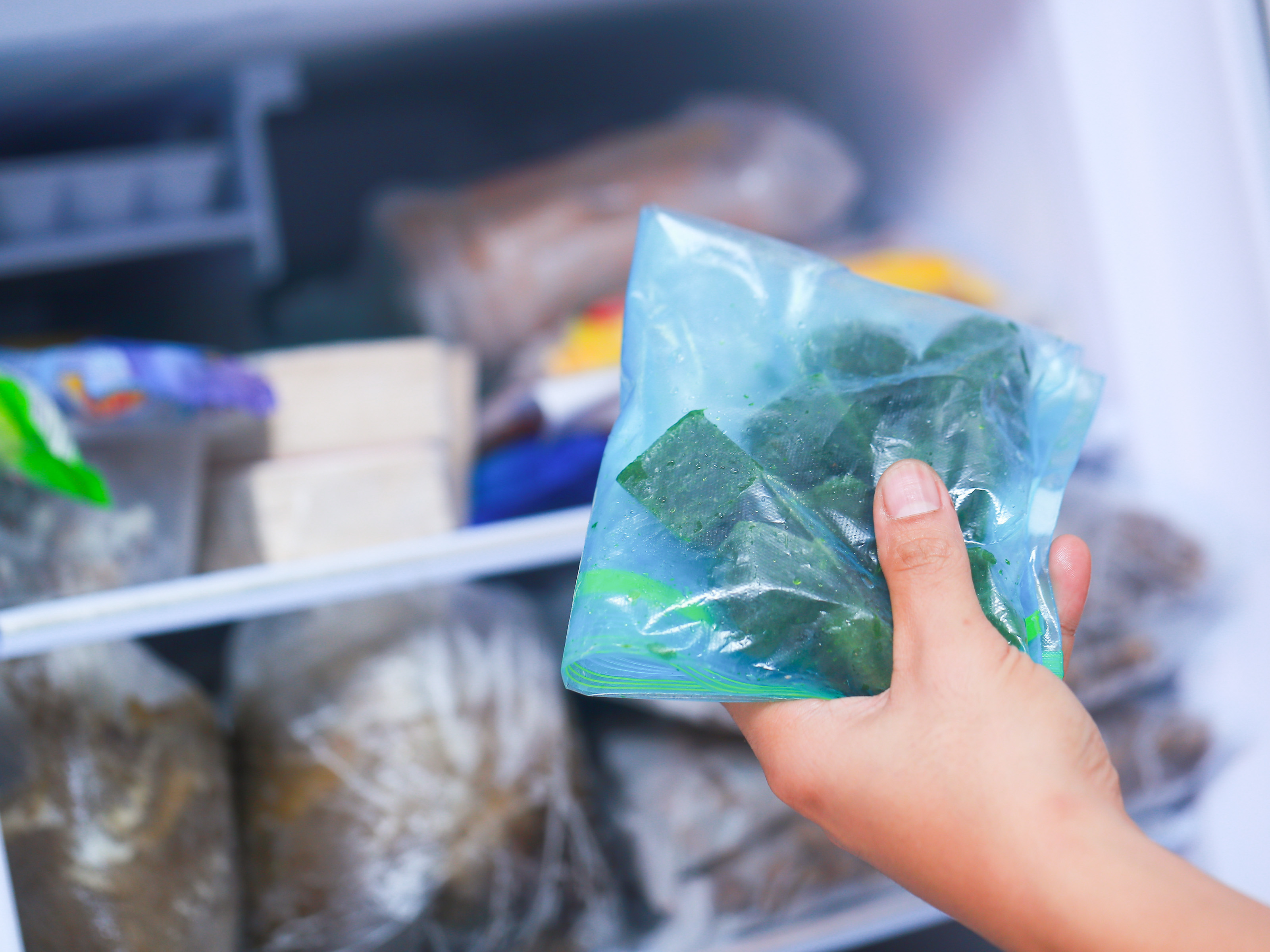
Portioning: Shape the well-drained spinach into convenient portions. You can form small, golf-ball-sized balls for single servings, or larger pucks for family meals. Many find it helpful to press the spinach into muffin tins or even ice cube trays (for very small portions) and freeze until solid before transferring to bags.
*
Packing: Place your portioned spinach into freezer-safe zip-top bags or airtight containers. If using bags, press out as much air as possible before sealing to prevent freezer burn. Flat-packing the spinach in bags (e.g., in a thin layer) allows for faster freezing and thawing, and more efficient stacking in the freezer.
*
Labeling: Always label your bags or containers with the date of freezing. Blanched spinach is best used within 10-12 months.
Maximizing the Lifespan and Versatility of Your Frozen Spinach
With your spinach perfectly blanched and frozen, you've got a versatile ingredient at your disposal for months to come.
*
Storage Best Practices: Keep your freezer consistently cold (0°F / -18°C or lower) to maintain the quality of your frozen spinach. Avoid frequent thawing and refreezing, which can degrade texture.
*
Thawing and Usage: One of the best aspects of frozen spinach is its convenience. For most cooked dishes, there's no need to thaw it first!
*
Soups, Stews, Curries, Pasta Sauces: Simply toss the frozen spinach directly into the pot during the last few minutes of cooking. It will thaw and incorporate beautifully.
*
Smoothies and Green Juices: Add frozen spinach directly to your blender. It helps create a thicker, colder drink without needing ice.
*
Omelets, Scrambles, Quiches: You might want to briefly thaw and lightly squeeze out any residual moisture if you're concerned about excess water in your eggs, but often it can be added frozen.
*
Dips and Pesto: Thaw the spinach, squeeze out excess water, and then blend into your recipe.
Frozen spinach is an incredibly useful ingredient for boosting the nutritional content of almost any meal. Whether you're adding it to a quick weekday dinner or preparing a comforting weekend brunch, the effort of blanching pays dividends in quality and convenience.
Conclusion
Learning
how to freeze spinach, especially through the blanching method, is a simple yet incredibly rewarding kitchen skill. It transforms a perishable leafy green into a year-round pantry staple, ensuring you always have access to its impressive nutritional benefits and fresh flavor. By taking a few extra minutes to properly blanch and prepare your spinach, you'll eliminate food waste, save money, and elevate your cooking with vibrant, delicious greens whenever inspiration strikes. So, next time you find fresh spinach on sale or have an abundance from your garden, embrace the blanching process – it's your secret weapon for culinary convenience and flavor preservation!